UNESCO World Heritage · 2008
Cave of El Pendo
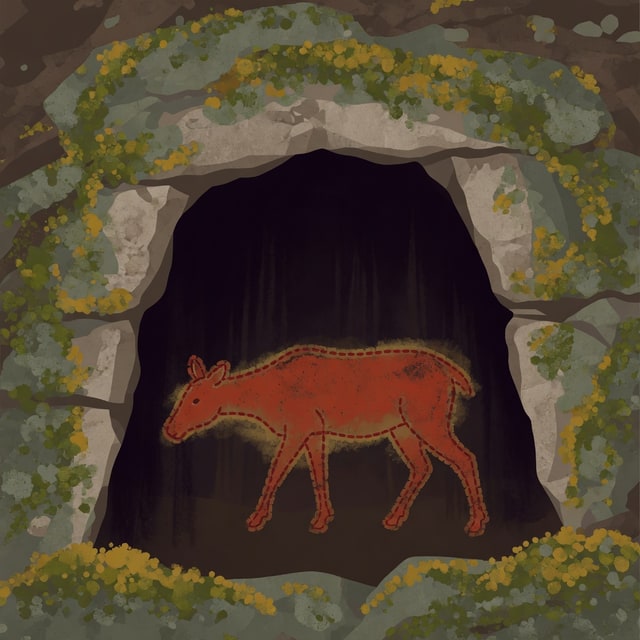
A monumental Palaeolithic cave in Escobedo de Camargo. Neanderthals and Homo sapiens lived here for more than 80,000 years. The Painting Frieze, found in 1997, holds some twenty red figures about 20,000 years old.
Direct answer
What is the Cave of El Pendo?
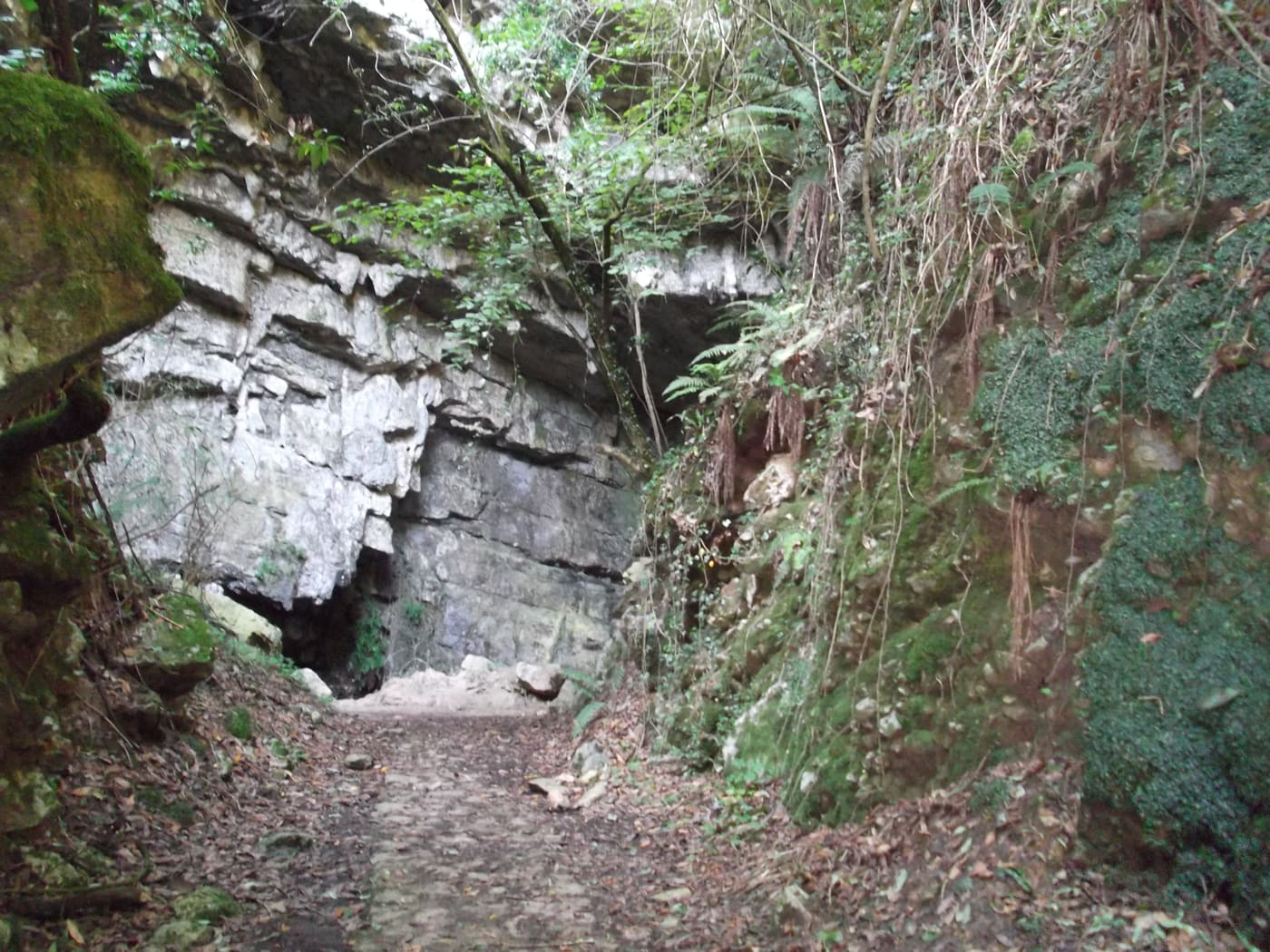
It is a prehistoric cave in El Churi, Escobedo de Camargo, a few metres above sea level in a karst depression. It is a sink of the Pendo stream: up to 45 m wide, 22 m high and about 160 m long, with an entrance that once offered some 600 m² of useful living space.
Research
From Sautuola to the 1997 frieze
Scientifically explored since 1878, El Pendo is one of the reference sequences for the Iberian Palaeolithic: Neanderthals, Homo sapiens, portable art — including the so-called Venus of El Pendo — and still-active excavation.
Research history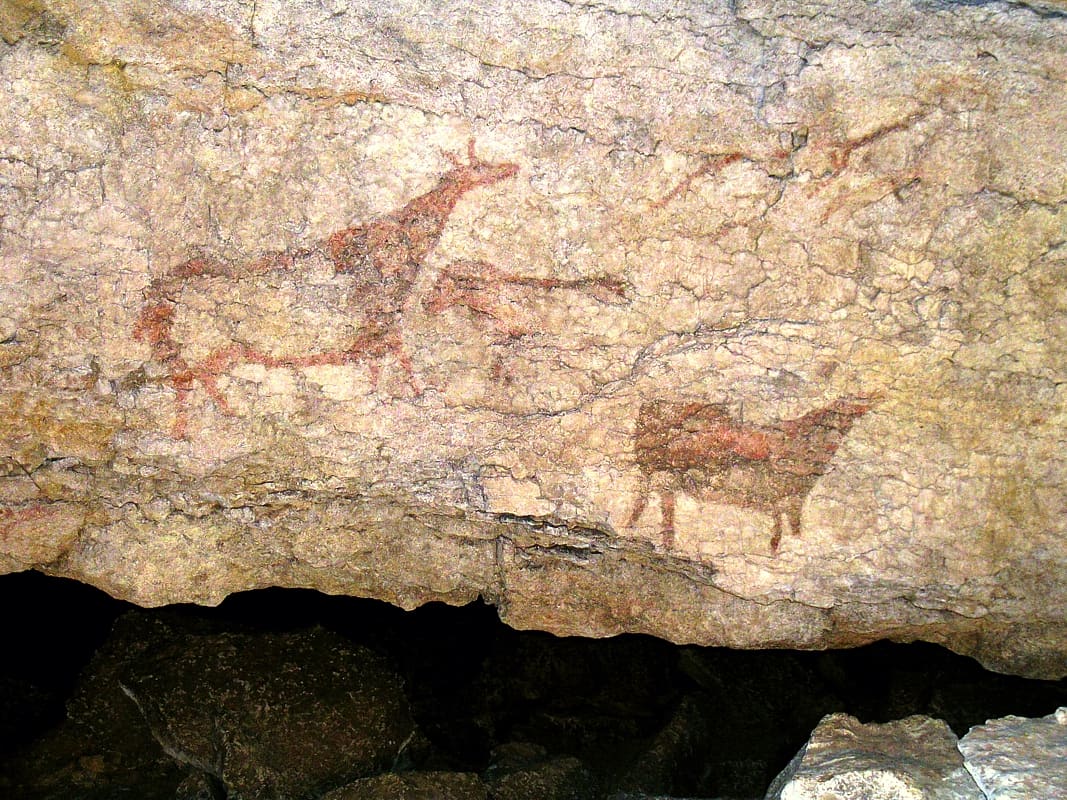
Questions people ask
Short answers
Where is the Cave of El Pendo?
In the El Churi neighbourhood of Escobedo de Camargo (municipality of Camargo, Cantabria, Spain). Postcode 39609. Coordinates 43°23′17″N 3°54′44″W (43.388056, -3.912222).
Is El Pendo a World Heritage Site?
Yes. Since July 2008 it has been part of the UNESCO property “Cave of Altamira and Palaeolithic Cave Art of Northern Spain” (ref. 310). It was listed as a Spanish Asset of Cultural Interest in 1997. The setting has been protected since 2016 as the Pendo-Peñajorao natural area.
How do I book a visit?
Visits are run by Cuevas Prehistóricas de Cantabria, not by this site. Phone +34 942 59 84 25, email reservascuevas@culturadecantabria.es, tickets at cuevas.culturadecantabria.com/reservas/. Capacity is limited (about 17 people per tour in low season and 20 the rest of the year).
How long is the visit and what does it cost?
The guided visit lasts around 45 minutes. Published fares are about €15 (standard) and €7.50 (reduced), with under-4s free. Hours and prices change: always confirm on the official website.
What is there to see?
A monumental chamber (up to 45 m wide and 22 m high) and the Painting Frieze: a panel about 25 metres long with some twenty red figures — mostly hinds — in dotted outline, around 20,000 years old. At the back of the cave are engravings found in 1907, including a bird.